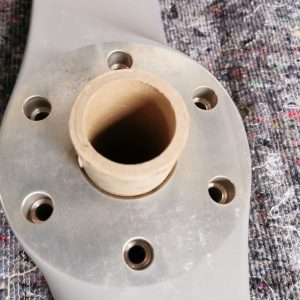
The Sensenich Propeller – P/N 74DM6-0-60
The shortened Sensenich 74DM6 Propeller description can improve search visibility, while the complete part number should remain available for technical review.
A Sensenich Fixed-Pitch Propeller may also be categorized as a Sensenich Aluminum Propeller or Fixed-Pitch Aluminum Propeller when the exact material and configuration are confirmed.
A Lycoming O-320 Propeller may only be appropriate for selected engine and airframe combinations, even when the basic engine family appears compatible.
A Two-Blade Aircraft Propeller should be treated as one matched rotating assembly, while a Sensenich Aircraft Propeller should be identified through verified manufacturer markings.
Why the Complete Propeller Designation Matters
The complete propeller designation should be verified through the manufacturer data plate, hub markings, blade markings, serial number, original records, packaging labels, photographs, and available Sensenich technical information.
Any approved change should appear in suitable records and markings rather than relying only on verbal descriptions.
Understanding New-Old-Stock Propeller Status
This condition can provide significant value, but it does not independently confirm current serviceability after storage, transport, or repeated handling.
New, Never Installed.
How a Fixed-Pitch Aluminum Propeller Operates
The 74DM6-0-60 should be selected using applicable technical data rather than general claims about improved climb or cruise performance.
Incorrect dimensions can produce operational concerns even when the propeller fits physically on the flange.
Inspecting the Sensenich Aluminum Propeller
Metal construction does not eliminate the possibility of fatigue, corrosion, impact damage, improper material removal, dimensional loss, or storage deterioration.
Harsh cleaners, abrasive pads, unapproved polishing, and uncontrolled sanding should be avoided because they may damage the finish or alter blade surfaces.
Understanding Diameter and Aircraft Clearance
Propeller diameter affects ground clearance, tip speed, engine loading, airframe clearance, and aerodynamic performance.
A difference between documented and measured dimensions should be investigated before installation.
Blade Pitch and Engine Loading
The seller should not guarantee specific performance based only on the pitch designation.
A never-installed propeller should still be reviewed for shipping distortion, impact, or manufacturing-record consistency.
Avoiding Universal O-320 Compatibility Claims
The Lycoming O-320 engine family includes different models, power ratings, flange configurations, operating limits, and aircraft applications.
A previous aircraft application can provide useful context but does not replace current approved technical data.
Evaluating Both Propeller Blades
Both blades should maintain compatible dimensions, pitch relationship, contour, weight distribution, finish, and structural condition.
Storage supports should protect both blades without applying uneven pressure.
Inspecting the Propeller Mounting Area
The mounting face should remain clean, flat, protected, and free from defects that could prevent correct seating.
The buyer should determine whether approved bolts, nuts, washers, bushings, spacers, spinner bulkheads, and related mounting components are included.
Evaluating Scratches, Dents, and Finish Damage
A propeller should not be assumed free from defects solely because it has never been operated.
Unauthorized sanding, filing, blending, refinishing, or polishing should be avoided.
Identifying Moisture-Related Damage
Discoloration, white residue, paint bubbling, coating separation, staining, or pitting should be evaluated instead of dismissed automatically as cosmetic.
The factory finish should remain protected from abrasive materials, harsh cleaners, adhesives, chemical vapors, and trapped moisture.
Separating Certification from Current Condition
Accurate language prevents unsupported certification or installation claims.
All documents read more should remain permanently associated with the correct physical propeller.
Confirming the Sensenich Serial Number
Original purchase paperwork may help establish the never-installed history.
Paperwork should not be interpreted beyond its actual scope or current relevance.
Pre-Purchase Inspection Checklist
The buyer should obtain enough information for a qualified propeller specialist or aviation mechanic to review the component.
- Confirm P/N 74DM6-0-60, the complete serial number, manufacturer markings, 74-inch diameter, 60-inch pitch, blade count, hub dimensions, bolt pattern, and original configuration.
- Inspect or document the diameter, pitch, blade symmetry, finish condition, corrosion, pitting, scratches, dents, cracks, coating damage, tip shape, mounting holes, and hub surfaces.
- Require packaging that protects the blades, tips, edges, hub, data plate, mounting face, bolt holes, factory finish, records, and included hardware from impact, abrasion, moisture, and movement.
Safe Freight Handling Procedures
The propeller should be packaged in a rigid crate or container that supports the hub and protects both blades from bending, impact, abrasion, and uncontrolled movement.
Careful freight preparation reduces damage risk to the Sensenich Aircraft Propeller.
Protecting the Propeller Before Installation
During storage, the propeller should remain clean, dry, supported, protected from impact, and separated from corrosive chemicals or uncontrolled environmental exposure.
The unit should not be stored directly on damp concrete, exposed ground, unstable shelving, or areas vulnerable to roof leaks.
Mounting the Replacement Aircraft Propeller
Professional installation protects the propeller, engine, and airframe.
Blade tracking should be evaluated after mounting.
After installation, technicians should verify security, propeller clearance, blade tracking, spinner alignment, hardware condition, and surrounding aircraft components before starting the engine.
Protecting Long-Term Propeller Condition
Unapproved filing or sanding can remove excessive material and alter the blade geometry.
Pilots and operators should report new vibration, visible blade damage, unusual noise, or performance changes promptly.
Commercial Value of a New Sensenich Propeller
Honest information strengthens buyer confidence and reduces disputes.
Availability of qualified maintenance support and approved installation data can influence long-term ownership value.
Buying a Fixed-Pitch Aluminum Propeller
When thoroughly evaluated, documented, packaged, installed, and maintained, the Sensenich Propeller – P/N 74DM6-0-60
Careful technical and commercial review can reduce compatibility problems, missing-hardware expenses, storage-related concerns, installation delays, inspection costs, and documentation issues.
Whether maintenance teams are sourcing a Two-Blade Aircraft Propeller, Sensenich Aircraft Propeller, Replacement Aircraft Propeller, or Certified Aircraft Propeller, professional inspection and installation should precede operational use.
With responsible purchasing, dimensional verification, corrosion and damage inspection, correct hardware, tracking, and balance evaluation, the component can remain a valuable aviation asset.